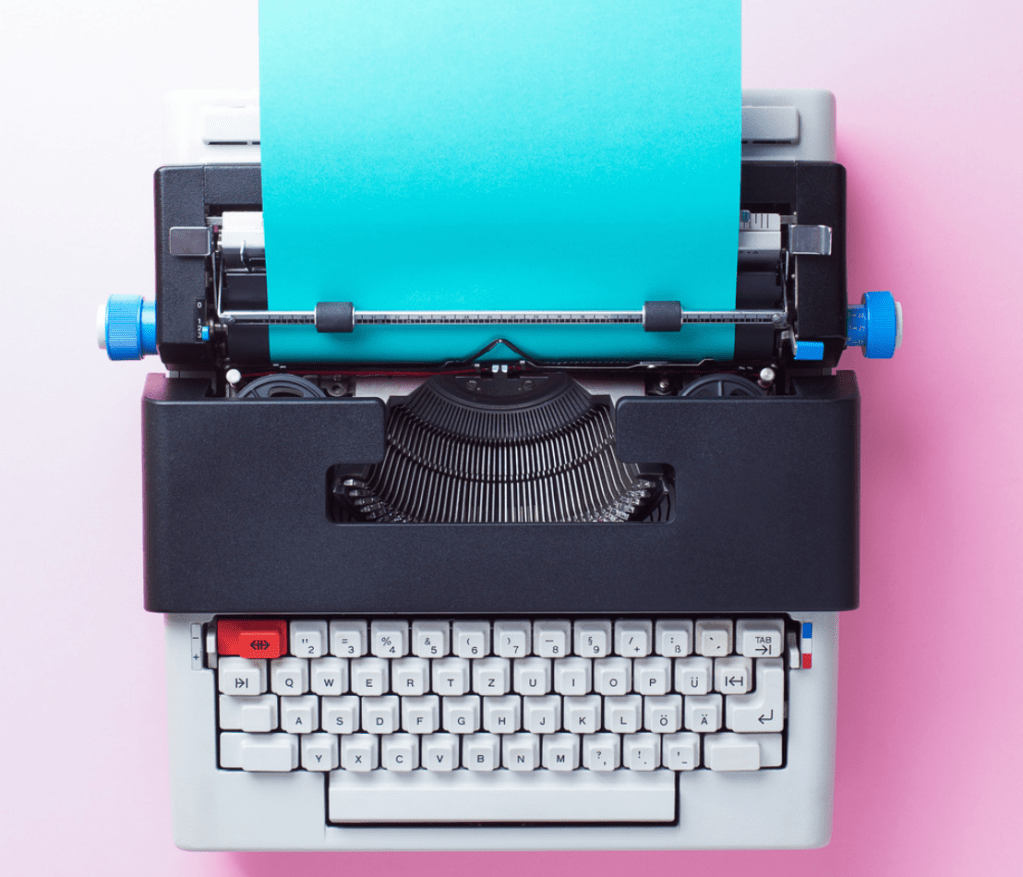
Let’s talk about something wild.
No, not that unfinished manuscript haunting your desktop like a passive-aggressive ghost.
I’m talking about your body.
Your brain is a masterpiece, sure — but it’s housed in a vessel. And that vessel is cracking its joints in Morse code: pls get up.
I say this with love, because I am you. All I ask is that you move with caution.
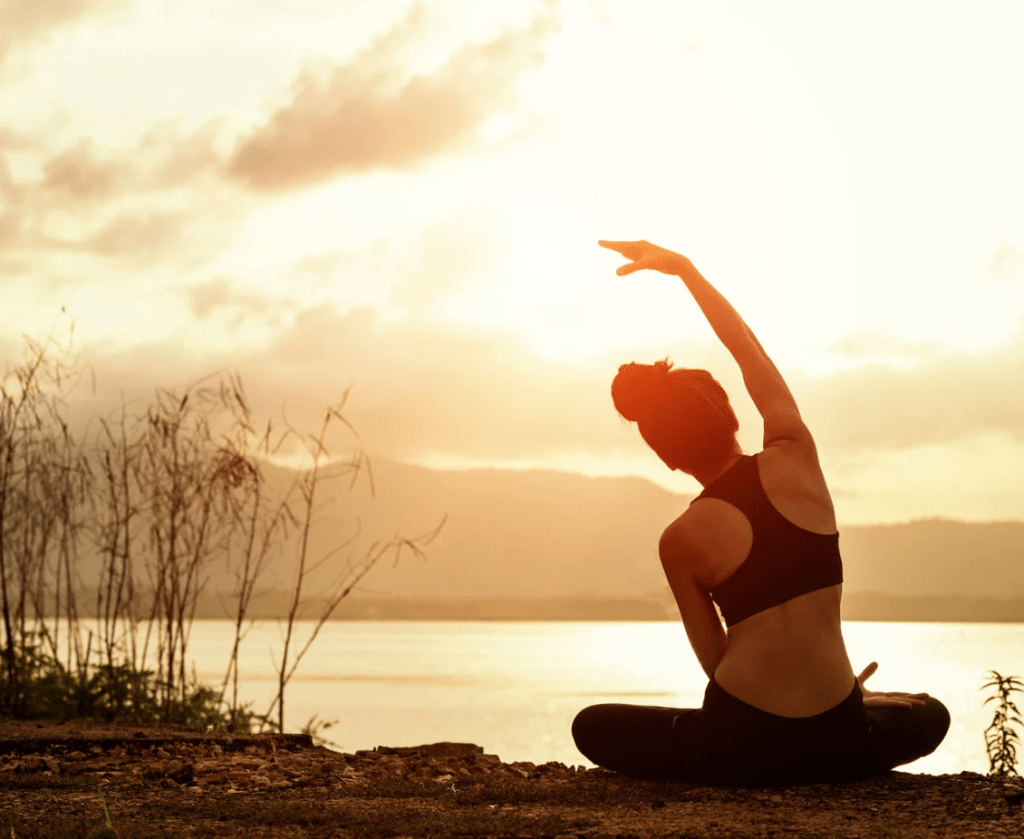
Don’t do what I did today.
In my noble quest for that feet-to-grass experience — barefoot, whimsical, ready to audition for Broadway moment —I tried to float across the yard.
Naturally, I had to step over my child’s mud-caked boots, which were left like tiny booby traps designed by someone who has never known the meaning of “tidy.”Mid-step, my right pinky toe made a bold, terrible choice: it grabbed onto the chair leg like it was clinging for dear life.
I went down like a tragic interpretive dance solo — dramatic gasp, arms flailing, the whole Broadway package.Now I’m limping around the house, pointedly ignoring the screaming possibility that something might be broken, while I prep to teach dance tonight. Because nothing says “professional instructor” like grand jetés powered entirely by stubbornness and denial.
It hurts. It definitely hurts.
But I have to remember:
Wild toes can’t be broken.
As you figured out, by day, I’m a writer and editor — wielding commas like scalpels and cutting run-on sentences with ruthless precision.
By night, I become something else entirely: a dancer. Barefoot. Blood blistered. Slightly overcaffeinated. Spinning through space like a feral thesaurus. And don’t look at my toe nails.. the polish is never entirely there.
Let’s Break It Down (Balletically, Of Course)
Let me hit you with a plié of truth: the writer’s slump is real. Our posture is giving wilted houseplant. Our spines are attempting the world’s slowest grand jeté into misalignment.
But here’s the spicy part: movement doesn’t steal time from your writing — it actually gives it back.
Studies (real ones! Peer-reviewed and footnoted!) show that movement enhances cognitive function, creativity, and mood regulation. In other words: that scene you’ve been rewriting for a week? You might actually crack it mid–chaîné turn or halfway through a spontaneous hallway strut to refill your coffee.
Motion Is Editing for the Body
Think of your limbs like paragraphs. They need revision. They need stretching, strengthening, reordering, and even deleting (?).
The same way you wouldn’t send off a first draft without tightening it up, you shouldn’t expect your body to thrive without recalibration.
Stretch. Walk. Reach your arms overhead like you’re embracing a thesaurus-sized epiphany. Even a dramatic port de bras to your kitchen counts.
If all else fails, pretend your hallway is a Parisian stage and give the mailman a private performance of Swan Lake (Act III, obviously). Bonus points if you throw in some editorial hand gestures for dramatic flair.
The Em Dash Is My Warm-Up Stretch
Let me confess something that would make a LinkedIn bot profile gently weep:
I love the em dash.
I love her drama. I love her refusal to commit to the structure of a semicolon or the safe rhythm of a period. She is breath and pause and possibility.
That’s why I proudly represent the “Don’t Fear the Em Dash” movement — a small but mighty rebellion against grammatical rigidity. Em dashes are the jazz hands of punctuation — audacious, flexible, and just unhinged enough to bring a sentence to life.
And just like your hip flexors — they need room to move.
Wild Toes Can’t Be Broken
That’s my motto — and no, it’s not just about dance.
It’s about refusing to let the structure of your day, your job, your inner critic, or the blinking cursor of doom dictate your limits.
You can love MLA and moonwalk. You can fact-check until your eyes twitch and still choose to leap, unreasonably and joyfully, into a freestyle spin in your kitchen (but keep an eye out for toe grabbing things).
Your body is not a productivity vehicle — it’s a partner in your creative process. And when you start treating it that way? The words come easier. The edits come faster. The rhythm finally starts to feel like yours again.
An Academic Interlude, for the Nerds in the Back
In classical rhetoric, inventio was the phase of discovery. And friends, discovery rarely happens when you’re stuck in the same ergonomic chair, hunching like Gollum over a style guide.
Aristotle walked as he taught. Virginia Woolf paced. Nietzsche literally said, “All truly great thoughts are conceived while walking.” (goodreads.com)
Which explains why all my best headlines arrive mid–pirouette near the dishwasher.
Motion breeds cognition. This is not just a vibe — it’s neurology. When we move, we oxygenate the brain, stimulate neurogenesis, and prime the mind for metaphor.
That’s science, baby.
Ready, Set, Développé
So what do you do with all this?
You start where you are. You treat movement not as a reward for productivity, but as part of the process. You stand up and stretch after a paragraph. You take walking breaks and voice-memo your thoughts. You let the rhythm of your body guide the rhythm of your sentences.
You remind yourself that brilliance doesn’t bloom in stillness. It pirouettes. It pulses. It — dare I say — em dashes.
Final Bow: The Call to Action
If you’ve read this far, congratulations. Your spine probably needs some love.
Here’s your invitation: join me in building a writing life that doesn’t hurt your neck, ignore your heart, or treat your hamstrings like collateral damage.
Make room for movement. Honor your wild toes. And never, never fear the em dash. It’s not always an indication of AI!
And if you’re curious about how to do that in your own creative process, dance practice, or digital storytelling work, I’d love to connect. I work with writers, artists, brands, and barefoot thinkers (not always barefoot because, ew.) to help shape stories and lives that move.
Let’s create something that feels as good as it sounds.
In short: I think brilliance deserves to sweat a little.
 Kathleen Hokit's Portfolio
Leave a comment